





Matomo

Security for emerging defence capabilities | Cossack Labs

Trusted where failure is not an option

  • Ministry of Defence of Ukraine
  • datasite
  • nec
  • EvoLogics
  • Delta
  • tezos-foundation

Proven in active conflict

Ten years across IT, OT, and defence systems — including security solutions operating in Ukraine's power grid since the systemic attacks of 2016–2017, and through the sustained cyber-physical attacks since 2022; and architecting, building, and securing integrated targeting, situational-awareness, and force-level C2 systems used in active conflict.

We work on defence systems alongside the operators who run them and the vendors who build them, from system design through to field deployment, with dozens of projects spanning Ukrainian and international defence and dual-use manufacturers.


Highlighted projects

  • UA DroneID

    Friendly drone identification technology for the Armed Forces of Ukraine

    Secure IFF capability between drones, operators, and command structures, designed and used in active combat. Protects high-value assets and increases the operational efficiency of unmanned systems operating under continuous cyberattacks, EW, and active enemy countermeasures.

  • Product security programme for Ukraine’s primary C2 system

    Ukraine’s primary C2 system operates under daily nation-state-level cyberattacks. Cossack Labs works with the DELTA team as a security engineering partner: helping build and maintain a product security programme, as well as hardening more than 30 integrated systems so that the ecosystem remains operational, secure, and resilient under continuous adversarial pressure.

  • MINISTRY OF DEFENCE OF UKRAINE

    Co-authored a Risk Assessment Framework for the Ukrainian Ministry of Defence

    The programme that let the Ministry of Defence of Ukraine assess and mitigate the risks across its defence information and communication systems. Grounded in first-hand understanding of how adversaries operate against defence systems in active conflict.

    What our partners say

    • The security engineering team cares not only about security but also about the product itself. It creates real alignment, making security feel like a natural part of the process rather than just a compliance checkbox.
      Lt. Col. Artem Martynenko

      Center of Innovations and Defense Technologies Development of the Ministry of Defence of Ukraine

      Capabilities

      • In-depth system & software security analysis

        Identify weaknesses across legacy and modern systems — hardware, software, and the interfaces between them — before an adversary does, so your teams keep operational tempo without disruption.

      • Cyber advisory for defence and public sector

        We work alongside defence agencies and public-sector organisations to navigate complex security challenges — supporting decisions and shaping policy, grounded in deep technical understanding.

      • Product security programme for defence applications

        Bring defence products and emerging capabilities to field deployment with confidence they will hold under adversarial conditions — from architecture review through to live-environment deployment.

      • Research & Development

        When existing standards don't cover the problem, we build what's missing: new protocols, security controls, and methodological frameworks. We assess emerging capabilities for the weaknesses standards haven't yet caught up to.

      Technological platforms:
      Built to thrive in high-risk environments

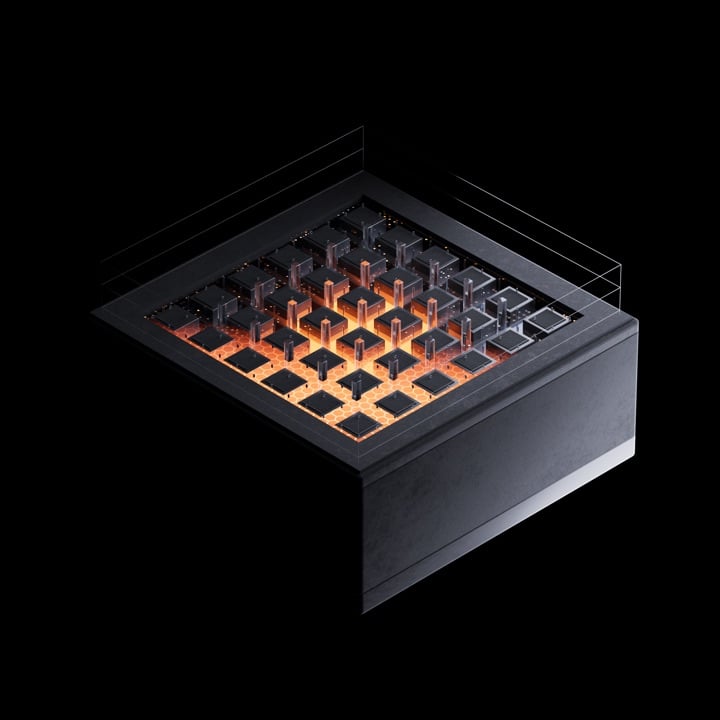
      Fabric

      Cross-domain integration framework for mission-critical systems

      Fabric integrates heterogeneous battlespace assets and moves data securely to the systems that command and decide — across untrusted networks and under contested, degraded, or disconnected (DDIL) conditions.

      Proven in the operational conditions of Ukraine, where both military capabilities and national infrastructure operate daily under real-world attack.

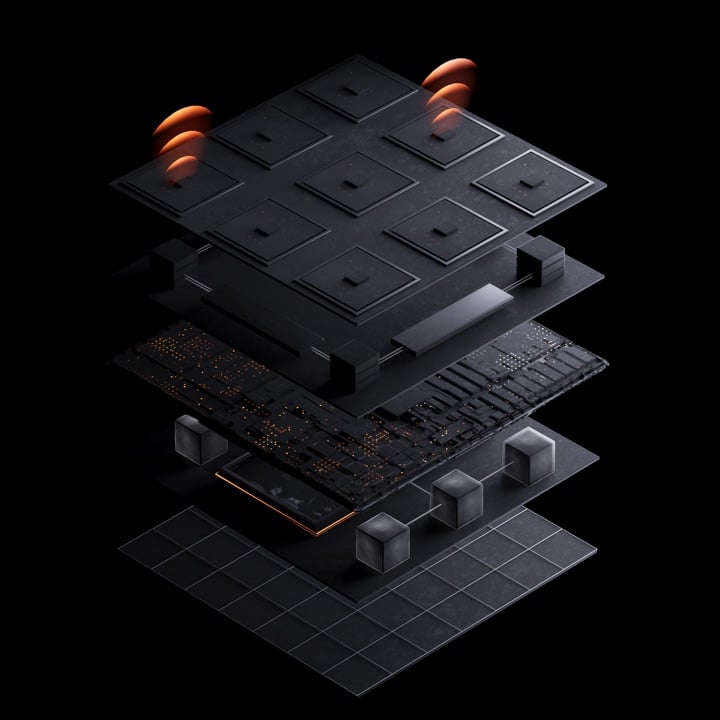
      Fleet

      Build and operate fleets of secure edge hardware

      Edge hardware runs outside controlled environments, on firmware that must stay trustworthy, managed by systems that may themselves be under pressure — across heterogeneous hardware, third-party operators, contested supply chains, and technically capable adversaries.

      Fleet enables managing that at scale across the whole device lifecycle in a single management layer. Its trust model lets architects balance pragmatic usability against trust. Hardened in active conflict — across UAVs operating in contested, disconnected environments and edge devices on national power-grid infrastructure.

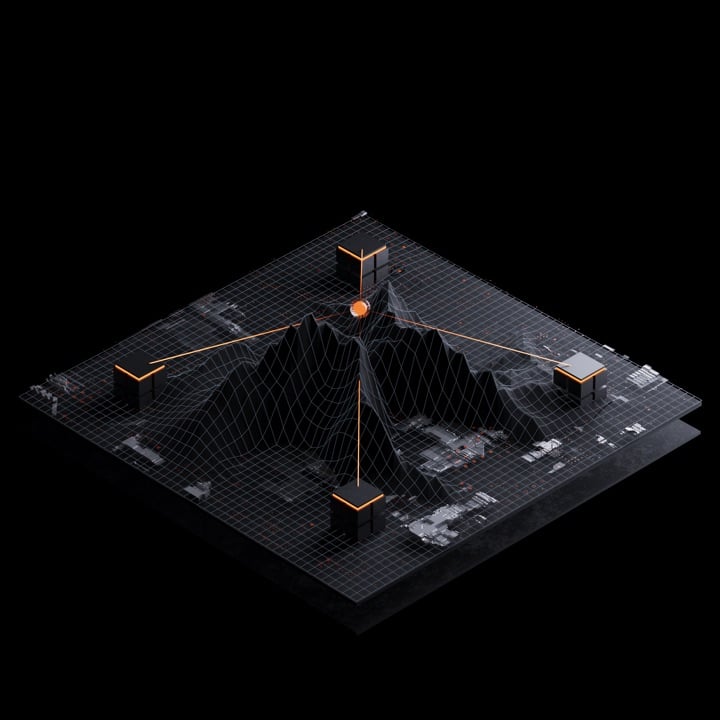
      Helmet

      Securing AI from model build to field inference

      Deploying AI in defence introduces security problems standard MLOps tooling was never built for: models can be extracted or manipulated, inference queries leak intent, training data carries re-identification risk, and edge accelerators break conventional build pipelines.

      Helmet brings together our work on these problems across the AI lifecycle — dataset and training-environment security, security of AI-enabled applications, and protection of models deployed at the edge — used in active conflict, around real threats and operational requirements.

      Got a challenge that could decide the mission?

      Let's see it.

      Start a conversation

      Get whitepaper

      Apply for the position

      Our team will review your resume and provide feedback
      within 5 business days

      Thank you!
      We’ve received your request and will respond soon.
      Your resume has been sent!
      Our team will review your resume and provide feedback
      within 5 business days